The Boy who Lived, reviewed
Reviewing the first chapter of Harry Potter and the Philosopher's Stone

Summary
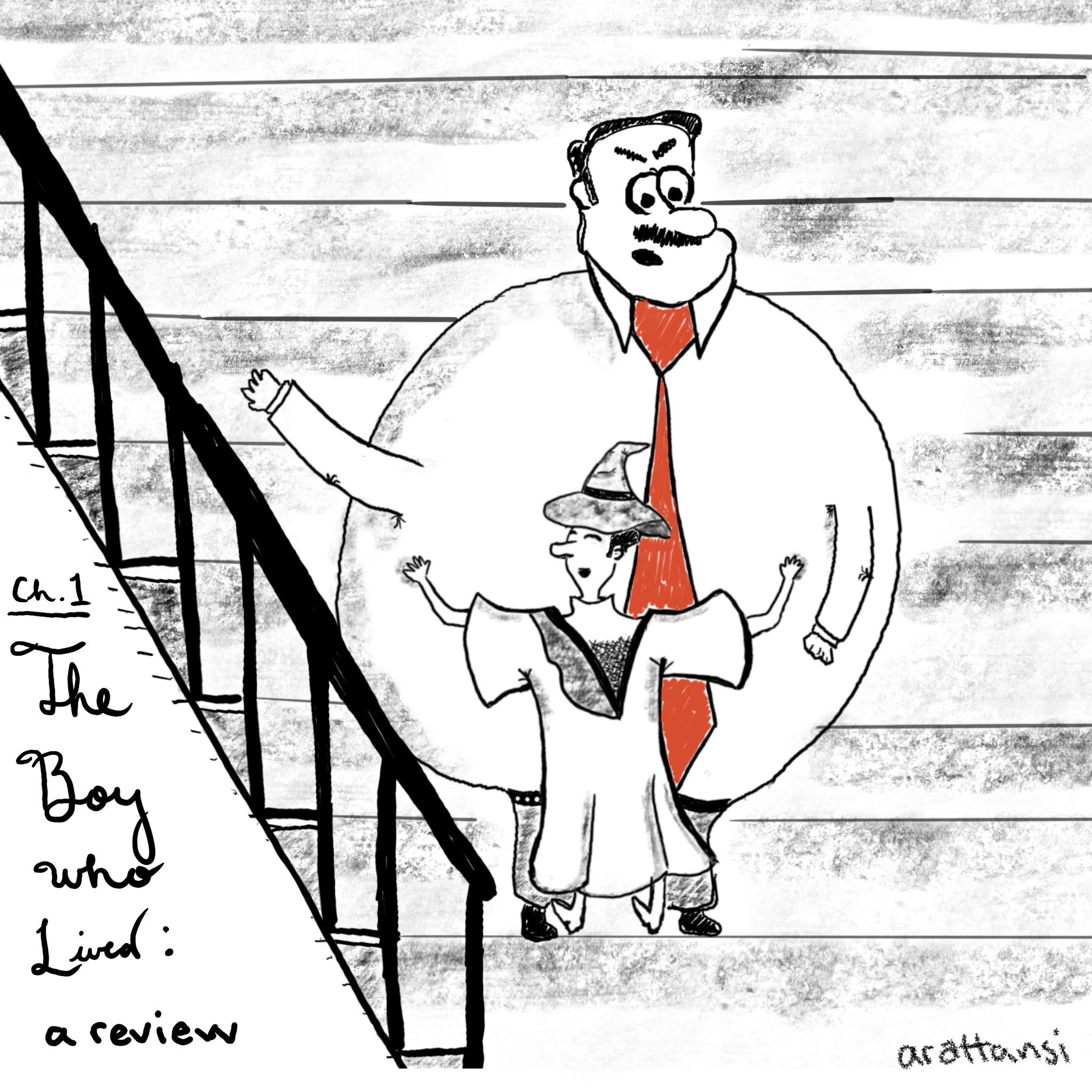
The story opens by laying the pipes of a willing and actively troglodytic family that marry the extremes of the human physique and procreate a symbolic incarnation of the human condition; a maleficent, obtuse, and pathologically reactionary, baby. We are then introduced to a parallel world to ours that is extraordinary and fantastical but subject to the same plot devices; fear, insecurity, and a powerful white man that keeps things together.
In spite of the gross lack of semi-colons in the first chapter relative to that first paragraph, the actively troglodytic family and extraordinary parallel world are connected like two clauses by the English language’s most misunderstood punctuation. To this end, the family of a baby boy in the extraordinary parallel world is assassinated and he is made to live with his only living relatives: the aforementioned family of exceptionally ordinary troglodytes. A classic premise for a sitcom – the original odd couple!
Reaction
First of all, “The Boy who Lived” as a title? Stupid. Harry Potter survived. You say someone “lived” when they have a tale to tell. At this point in the story, Harry Potter is a stupid baby who couldn’t even tell you the difference between a tale, a tail, and a worm (foreshadow).
Next, what is the deal with this random wizard that refers to Voldemort as “You-Know-Who” to Mr. Dursley, a person who definitely does not know who “You-Know-Who” is? That wizard knows that Mr. Dursley is a muggle and that they could not know who “You-Know-Who” is. He is essentially celebrating with a blind person that the sun finally came out. At best, he’s an idiot. At the very least, he’s an asshole.
Lastly, why the hell is some random teacher, and his bumbling pet, responsible for the adoption process of a child immediately following the assassination of his parents at the hands of a war criminal and terrorist? Spoiler alert: this is never answered.
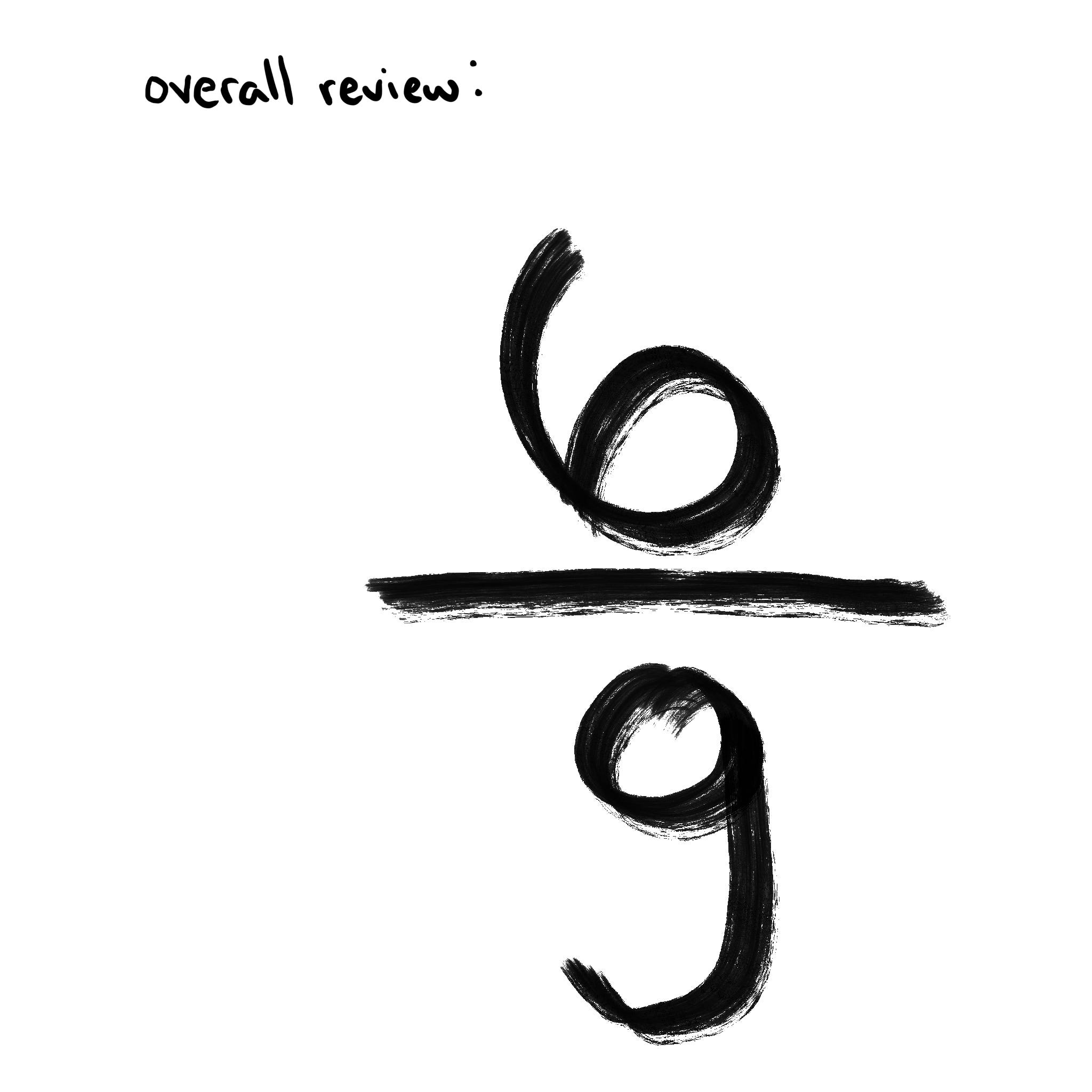
Review
For the opening chapter of the series, Rowling seamlessly shifts the tone from the start to finish – beginning with a silly caricature of the Dursley family, transitioning to a tense and pregnant dialogue between husband and wife and ending with a solemn toast of an oppressed people across a country. As a result, she is able to effectively interweave a world parallel to ours that becomes accessible by a shared fragility and response to a changing sense of security.
In her attempt to establish the Albus Dumbledore character, I think Rowling tries to do too much too soon. Within a few exchanges in dialogue, he is shown to be whimsical, beneficent, omniscient, and omnipotent, yet unable to address 11 years of terror at the hands of Voldemort. Rowling does little to introduce or justify Dumbledore’s role in the story by prioritizing the revelation of his persona. More of what Dumbledore is capable of could have been revealed as the story progresses allowing for simple questions to be answered like why he was the one to decide what happens to Harry and how he got that authority.
The dialogue between Mr. and Mrs. Dursley did an amazing job of showing the subtle distinction between their perspectives. They are both presented as ardently striving for normalcy at the beginning of the chapter. However, from the anxious conversation that Mr. Dursley initiates, it becomes clear that while he hates things being out of the ordinary, Mrs. Dursley in fact hates her sister for being extraordinary. This contradiction is betrayed when she expresses hatred for her nephew’s name as being “common”. This dialogue, as much as the one between Dumbledore and McGonagall, lays the pipe for the rest of the story to allow for depth to these characters and complexity for the world that Harry will be entering.